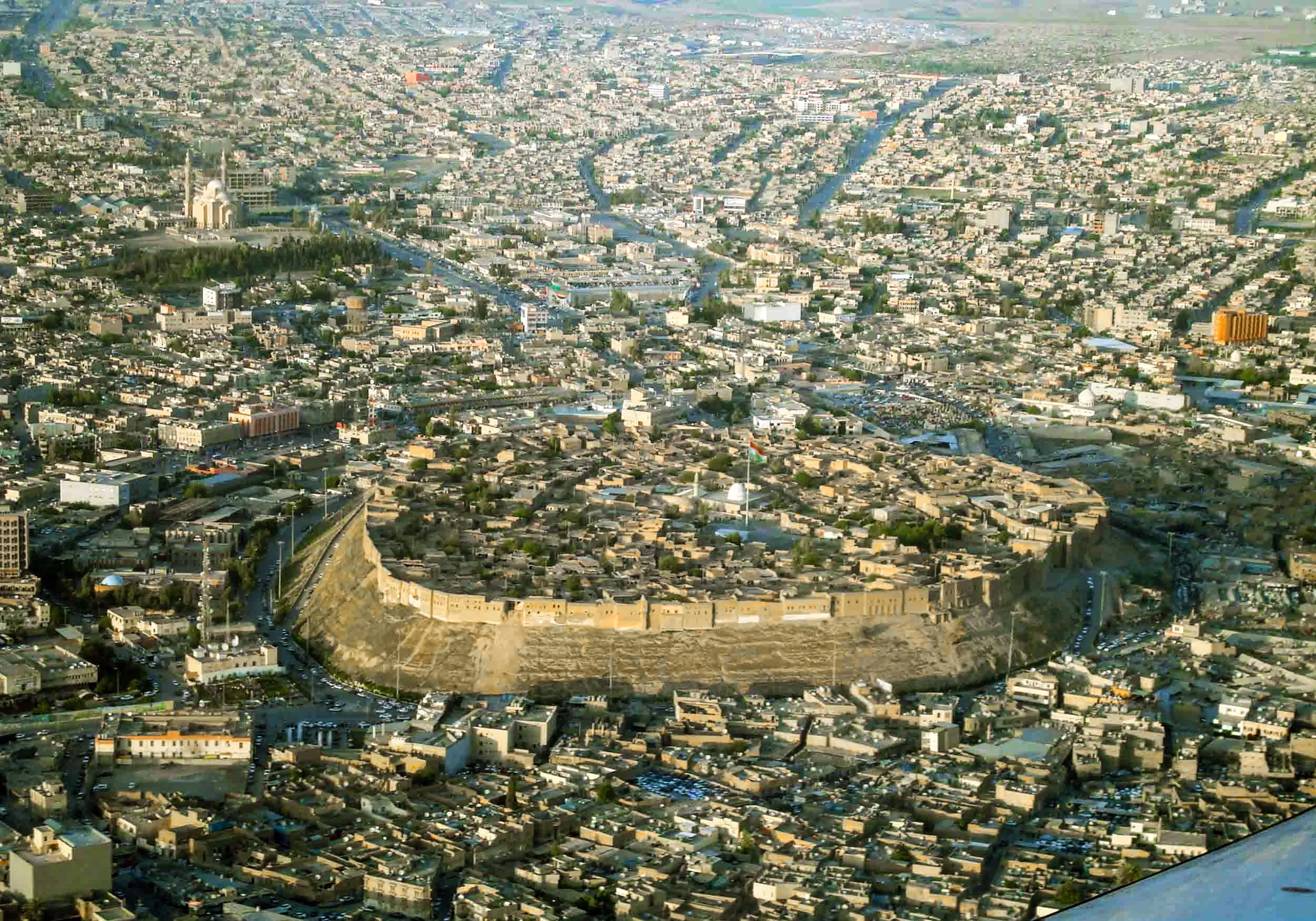
About Iraq
Two rivers, six thousand years of cities, four seasons and a coastline you could walk in a morning. Here is the shape of the place.
Between Two Rivers
Mesopotamia means the land between the rivers, and the rivers are still the argument the country is built around. The Tigris comes down through Mosul and Baghdad; the Euphrates runs wider and slower through Ramadi and Hilla; they meet at Qurna in the south and finish as the Shatt al-Arab, which reaches the Gulf after another two hundred kilometres.
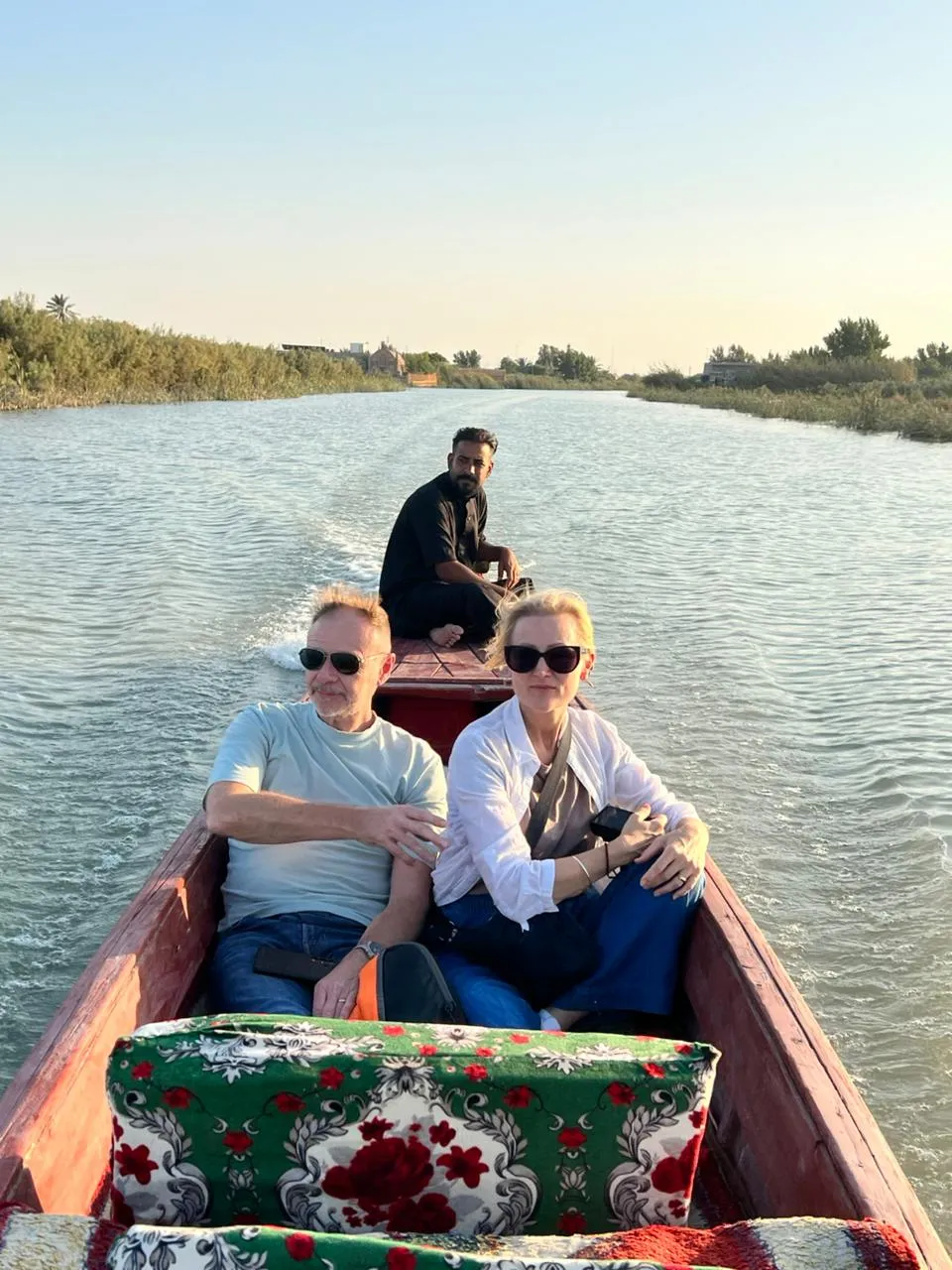
Everything else arranges itself around that. Mountains in the north-east, where the Zagros rise into the Kurdistan Region and hold snow into spring. Desert and steppe in the west, running to the Syrian and Jordanian borders. And in the south-east the Ahwar — marshes the size of a small country, drained in the 1990s and reflooded after 2003.
Where the First Cities Stood
Southern Iraq is where people first wrote things down — not poetry, but receipts, around 3200 BC, on clay. Cities followed, then law, astronomy, the wheeled vehicle, the sixty-minute hour. Sumer, Akkad, Babylon, Assyria and the Abbasid caliphate all ruled from this ground, each on top of the last.
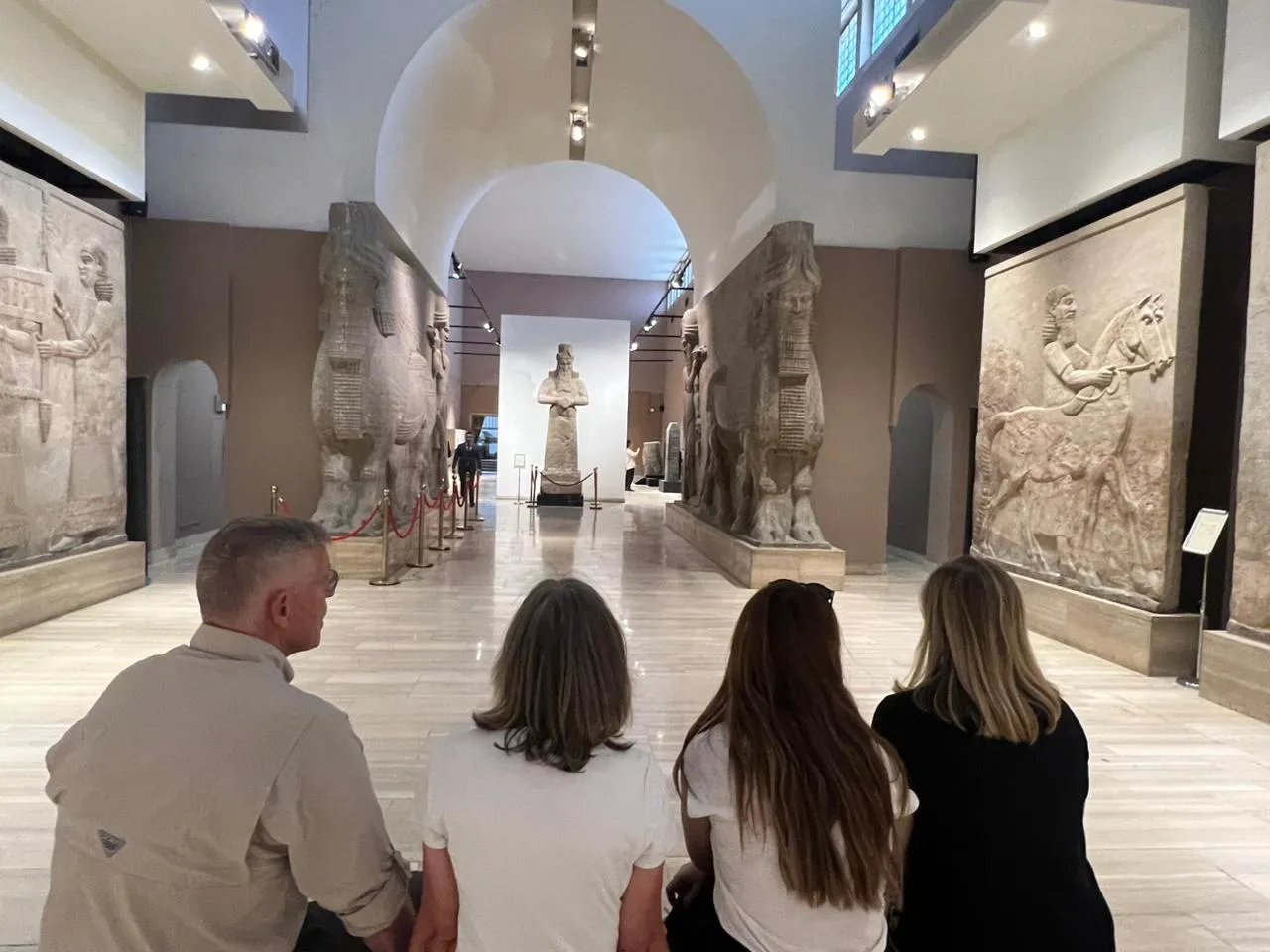
That record is not confined to museums, though the Iraq Museum in Baghdad holds a great deal of it. It is in the ziggurat at Ur, the walls of Babylon, the spiral at Samarra, and in six sites inscribed on the UNESCO World Heritage List.
Forty-Odd Million People
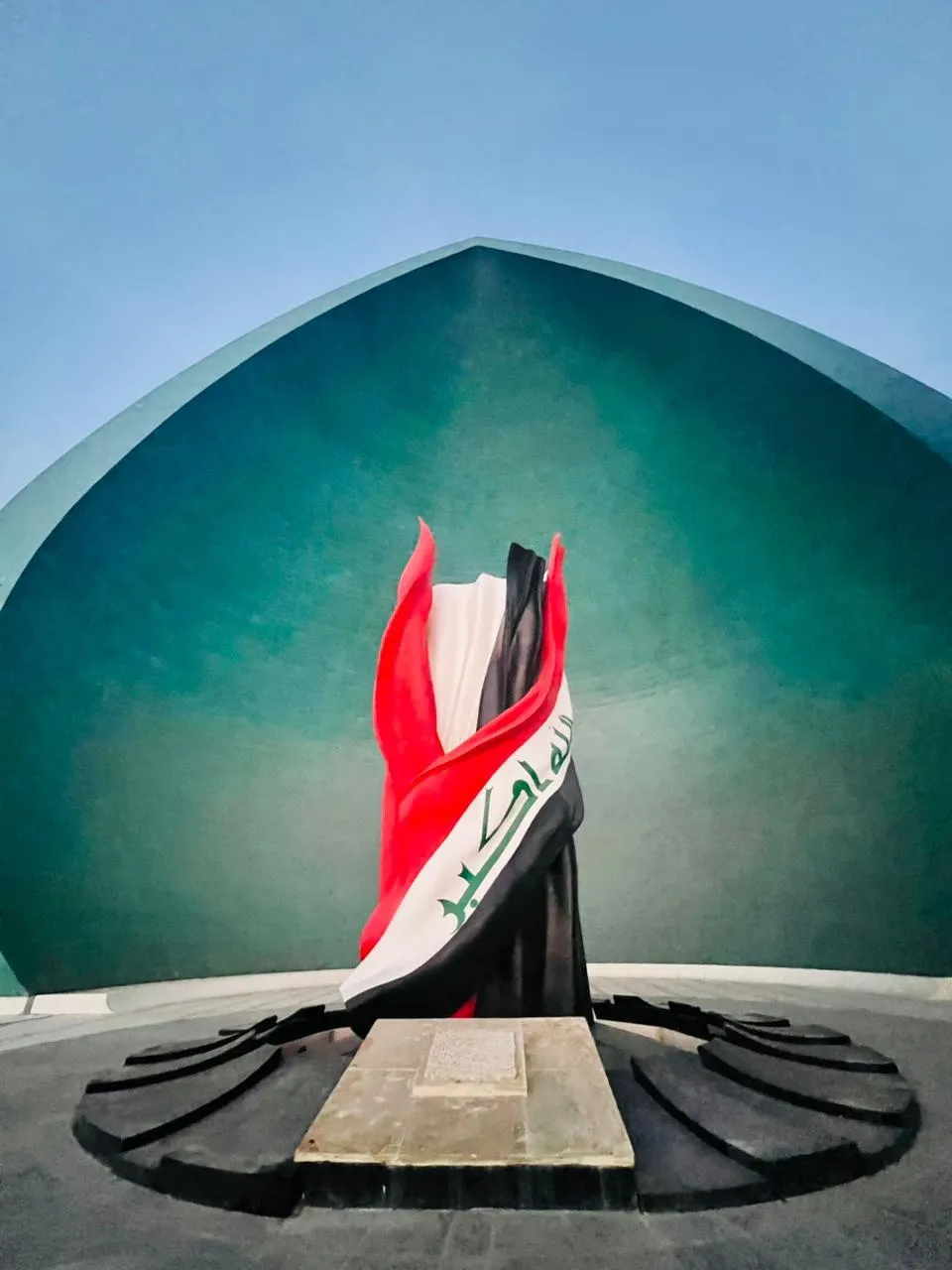
Iraq is a federal republic of eighteen governorates, one of which — the Kurdistan Region, four governorates in the north-east — has its own parliament and security forces. Arabic and Kurdish are both official; Turkmen, Syriac and Armenian are spoken and recognised too.
Most visitors meet the country through its hospitality before anything else. You will be offered tea within an hour of arriving, and the offer is not a formality.
The Practical Shape of It
Figures are approximate and move; the geography does not.
- Capital
- Baghdad
- Official languages
- Arabic, Kurdish
- Currency
- Iraqi dinar (IQD)
- Time zone
- UTC+3
- Governorates
- 18
- World Heritage sites
- 6
On the Tigris, founded 762 CE
Cash economy; bring US dollars to change
No daylight saving
Including the four of the Kurdistan Region
Hatra, Ashur, Samarra, Erbil, the Ahwar, Babylon
Start with a place
The country reads better through one city than through a summary. Pick somewhere, or start with the practical side.