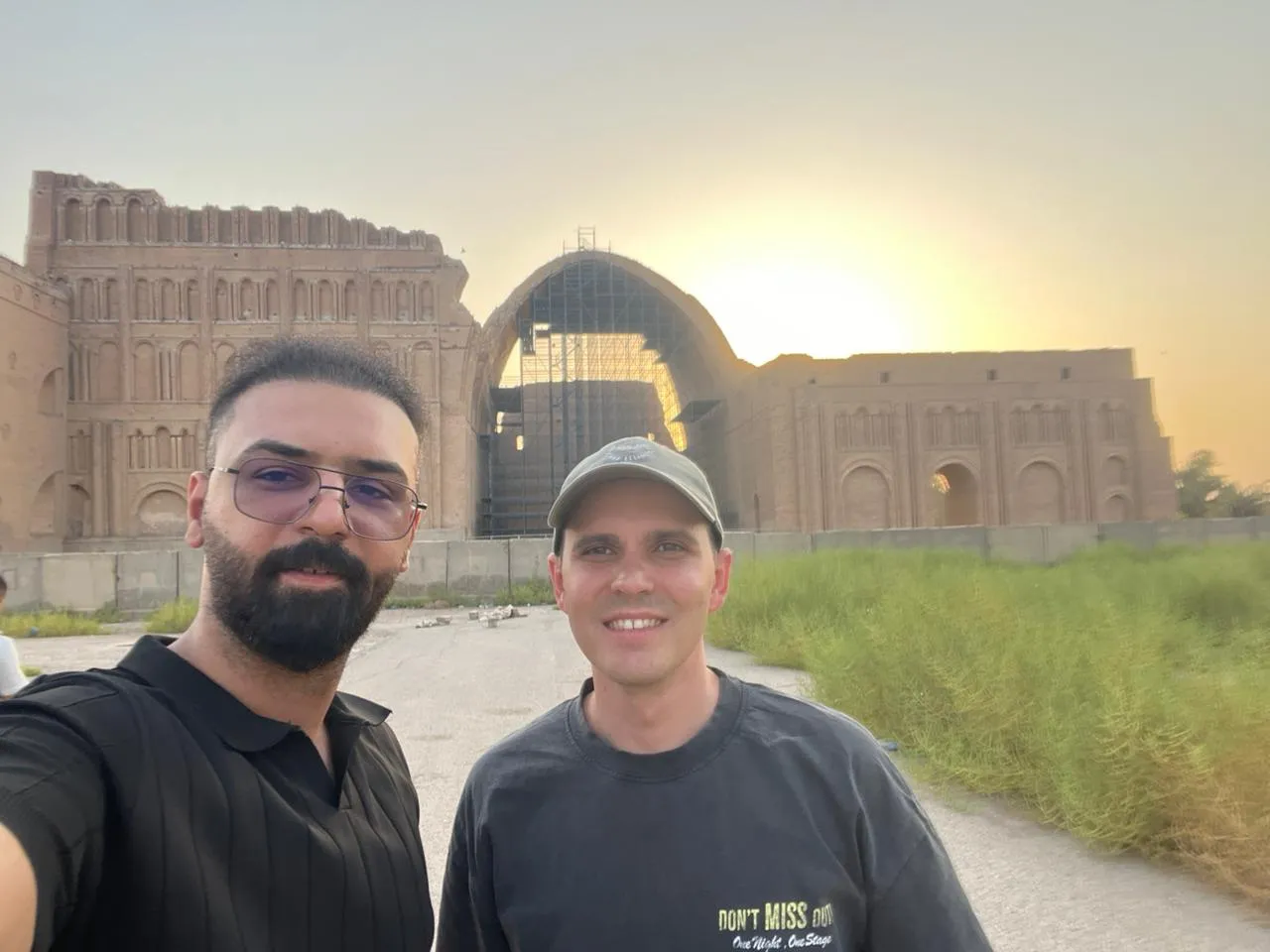
Inscribed 2019
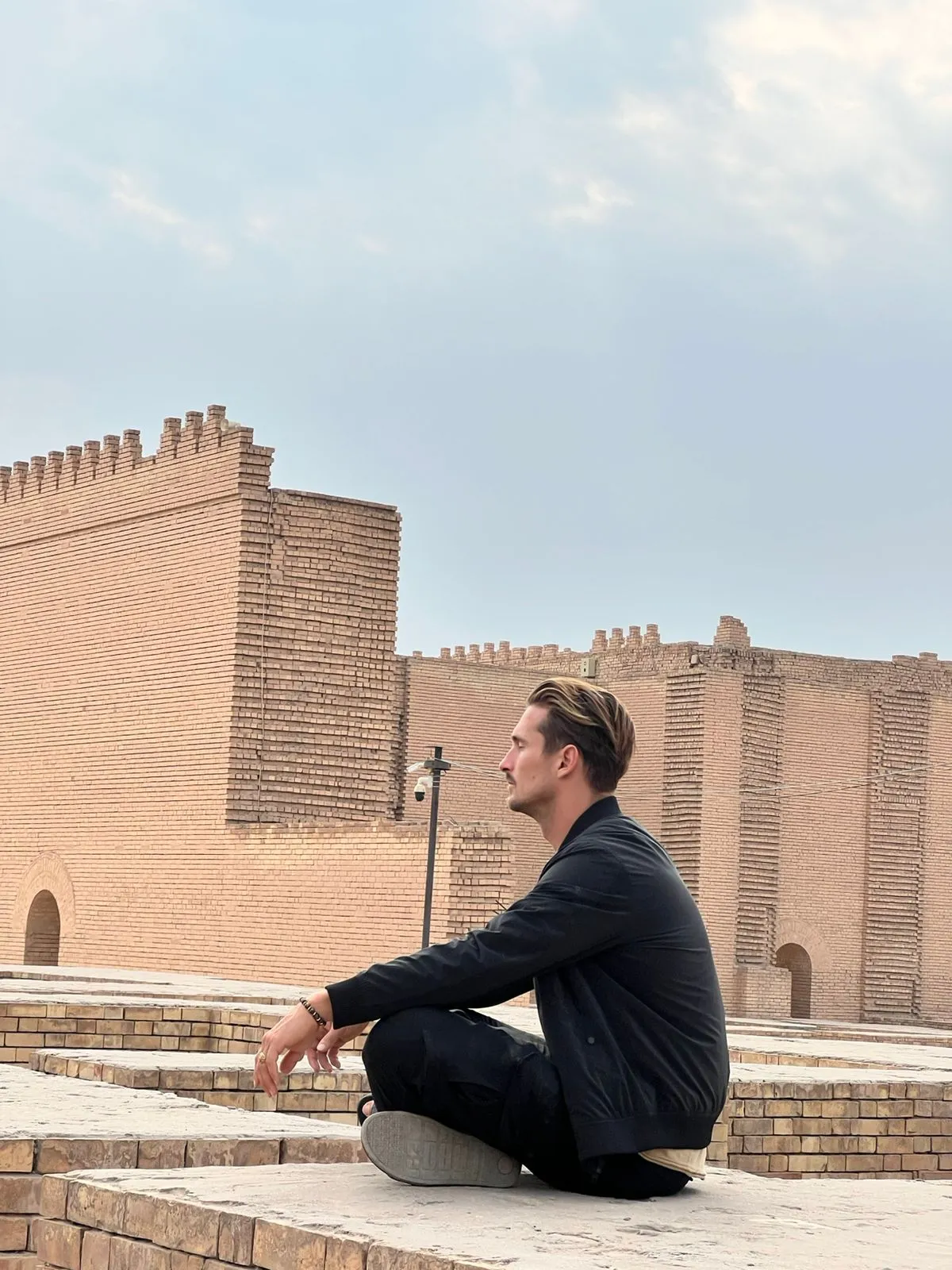
BabylonBabylon
The capital of the Neo-Babylonian Empire and seat of Hammurabi's code.
Journey through the six UNESCO-recognised jewels of Mesopotamia, where the dawn of human history is etched into every stone and silhouette.
Each site represents a unique epoch in the human narrative, from the first cities of Sumer to the Abbasid architectural wonders.
The capital of the Neo-Babylonian Empire and seat of Hammurabi's code.
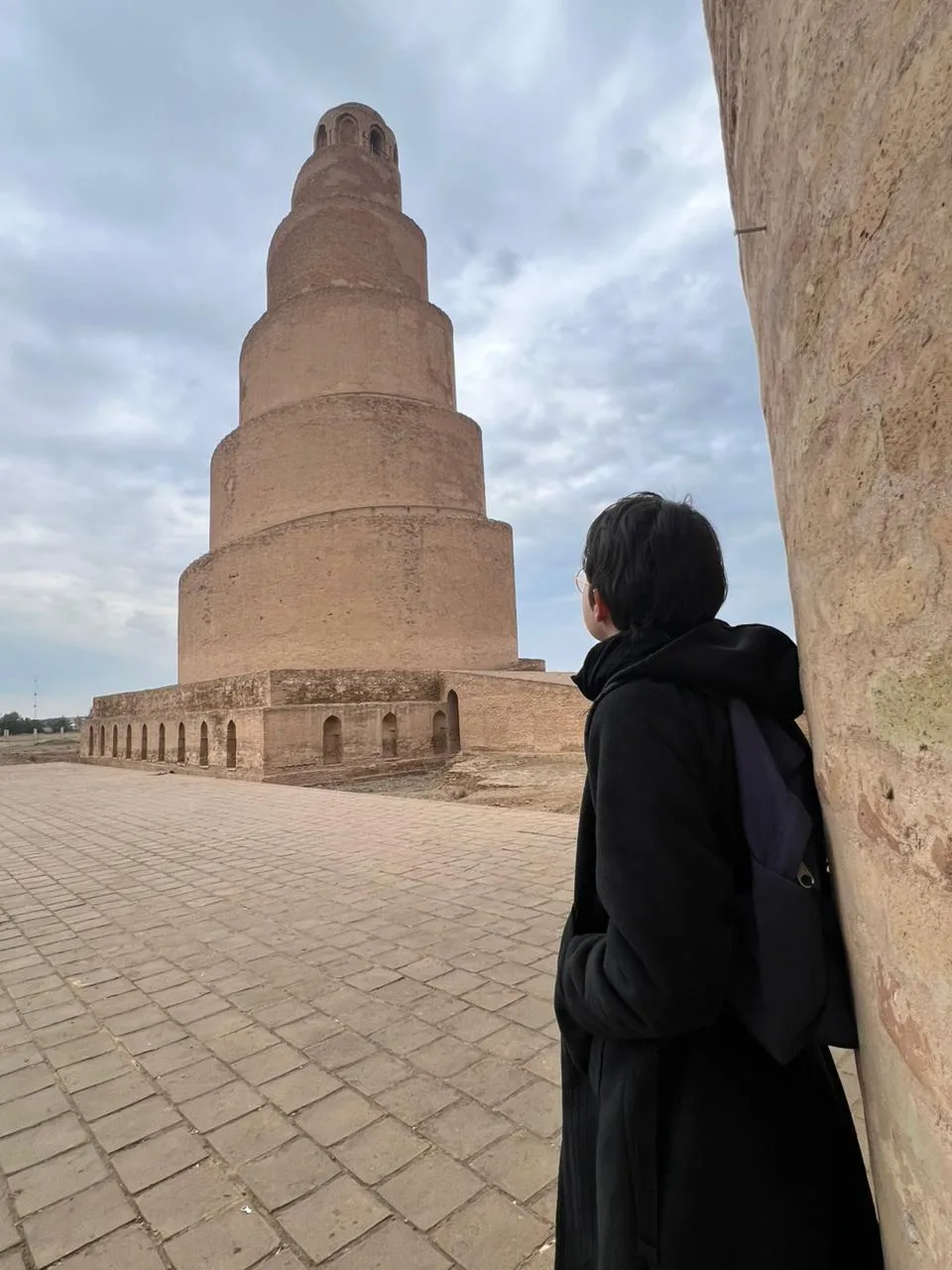
The Abbasid capital, crowned by the spiralling Malwiya minaret.
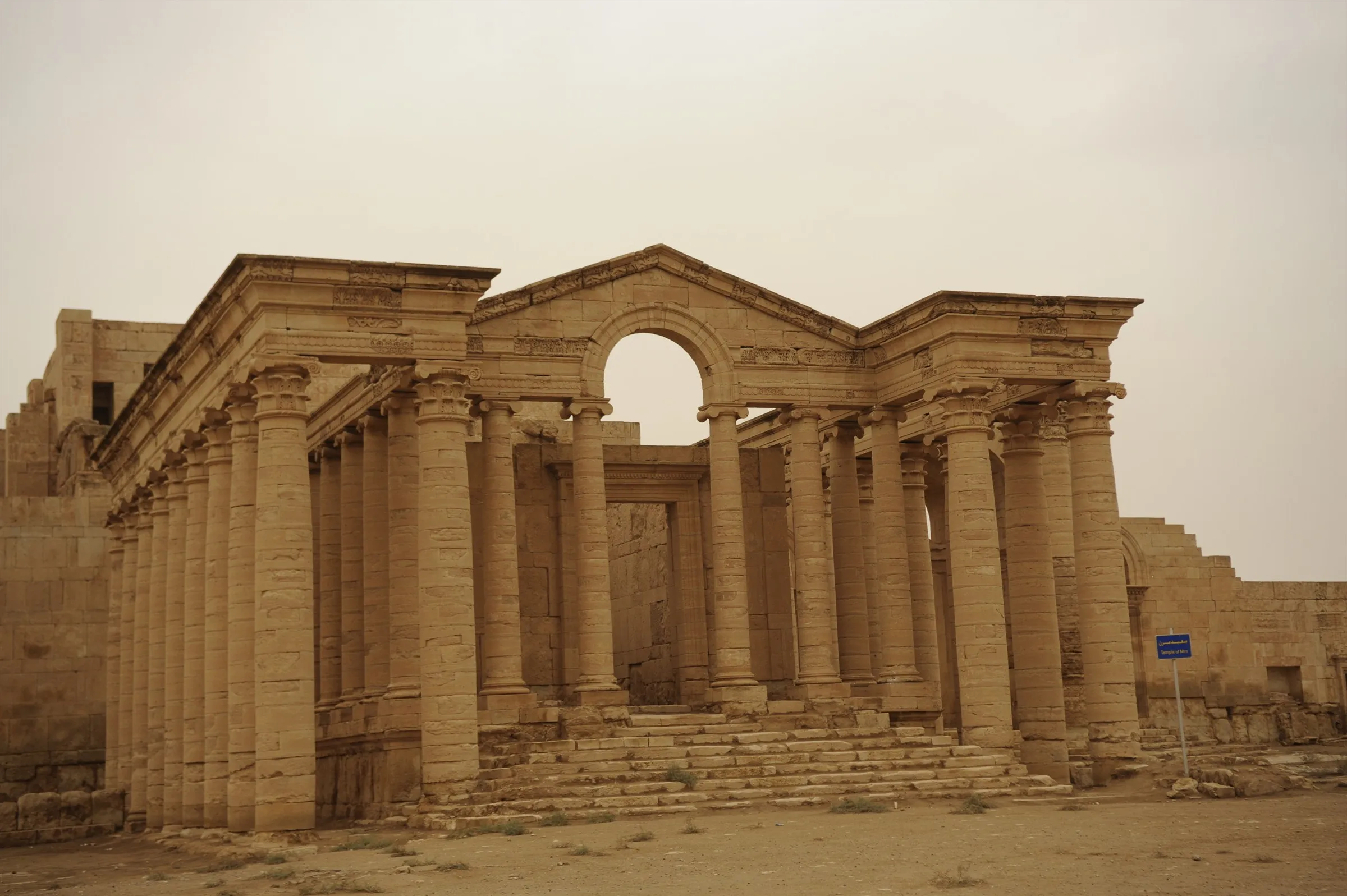
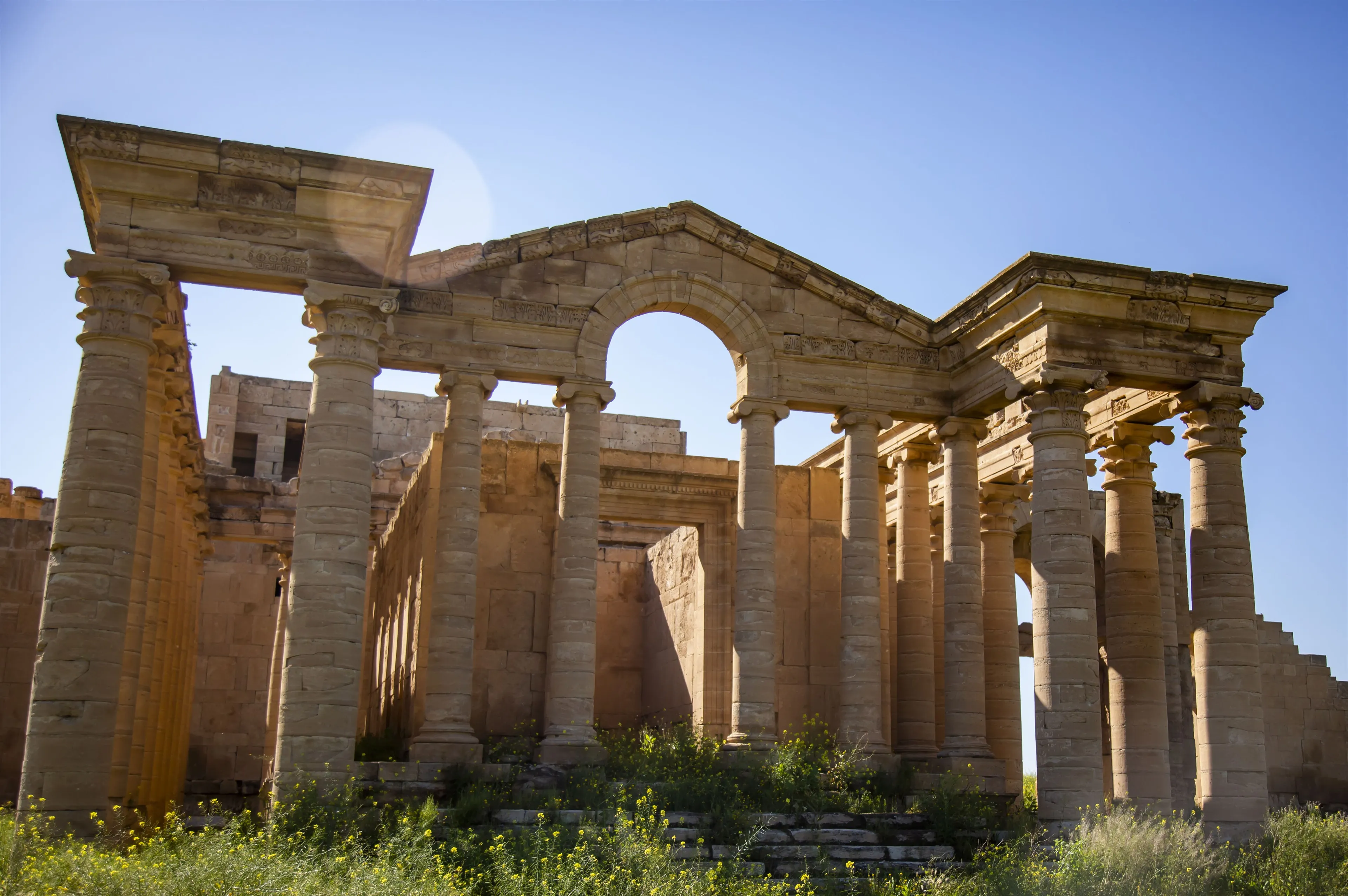
A fortified Parthian trading city where Greco-Roman and Eastern architecture meet.
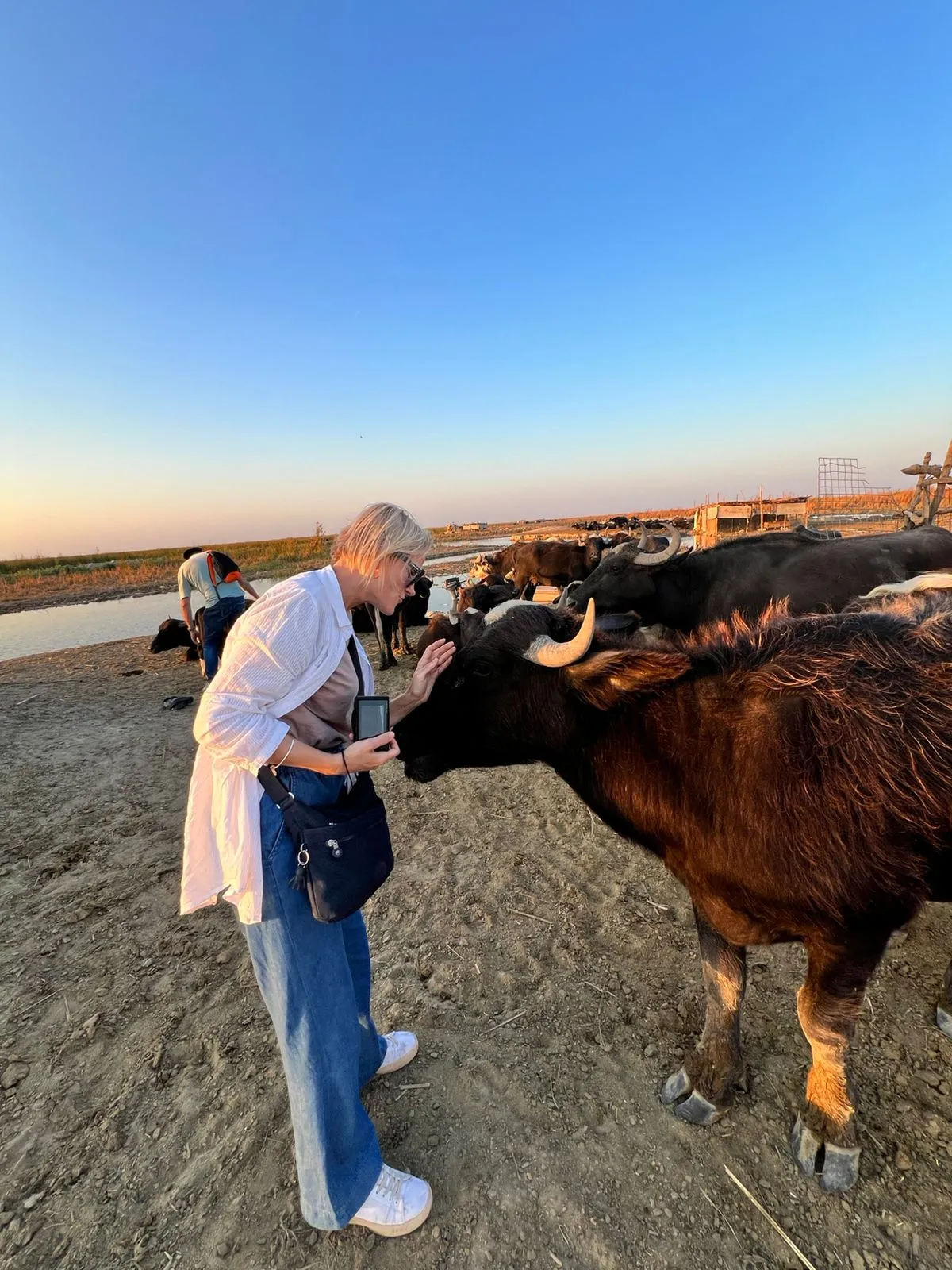
Refuge of biodiversity and the relict landscape of the Mesopotamian cities.
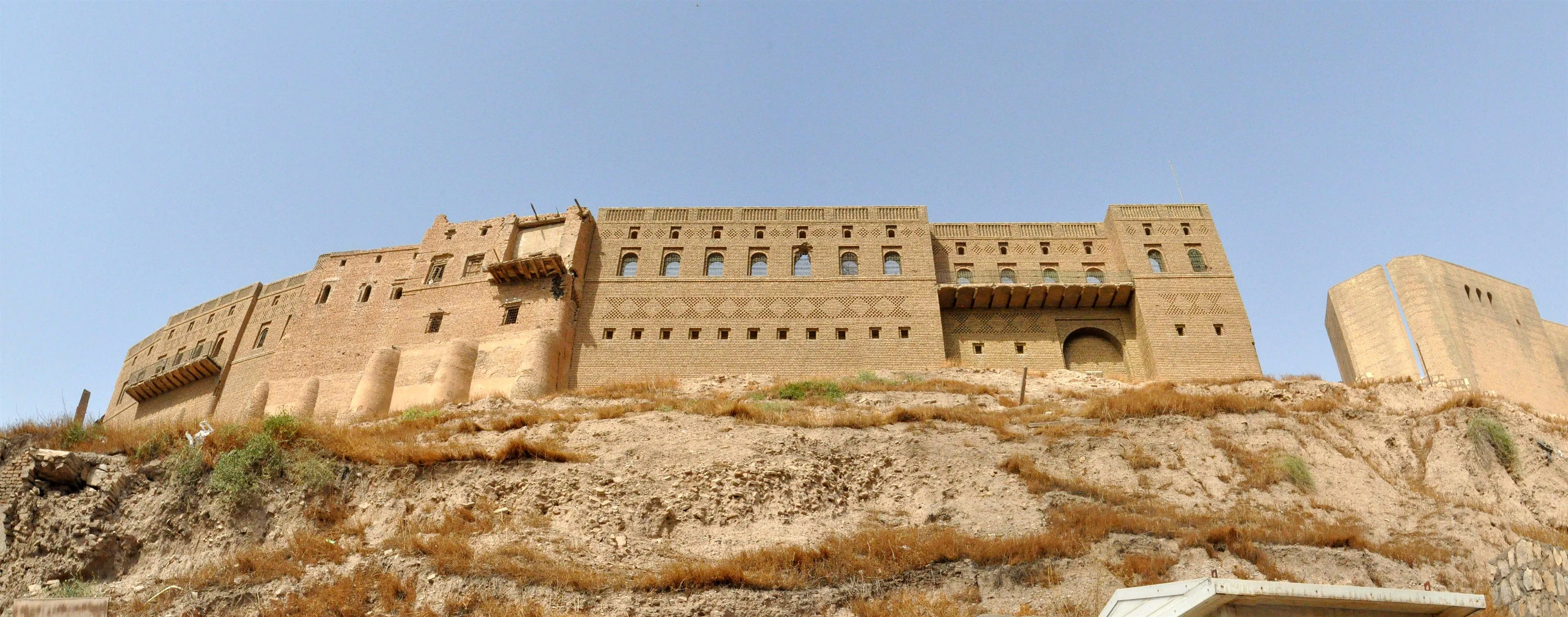
Eight thousand years of unbroken settlement, stacked into one mound above the city.
The first Assyrian capital, and the city the empire took its name from. On the danger list ever since.
Birth of writing and the first city-states like Ur.
Hammurabi codifies the first written laws of humankind.
Nineveh becomes the largest city on earth and a seat of scholarship.
The Golden Age of science and Samarra's expansion.
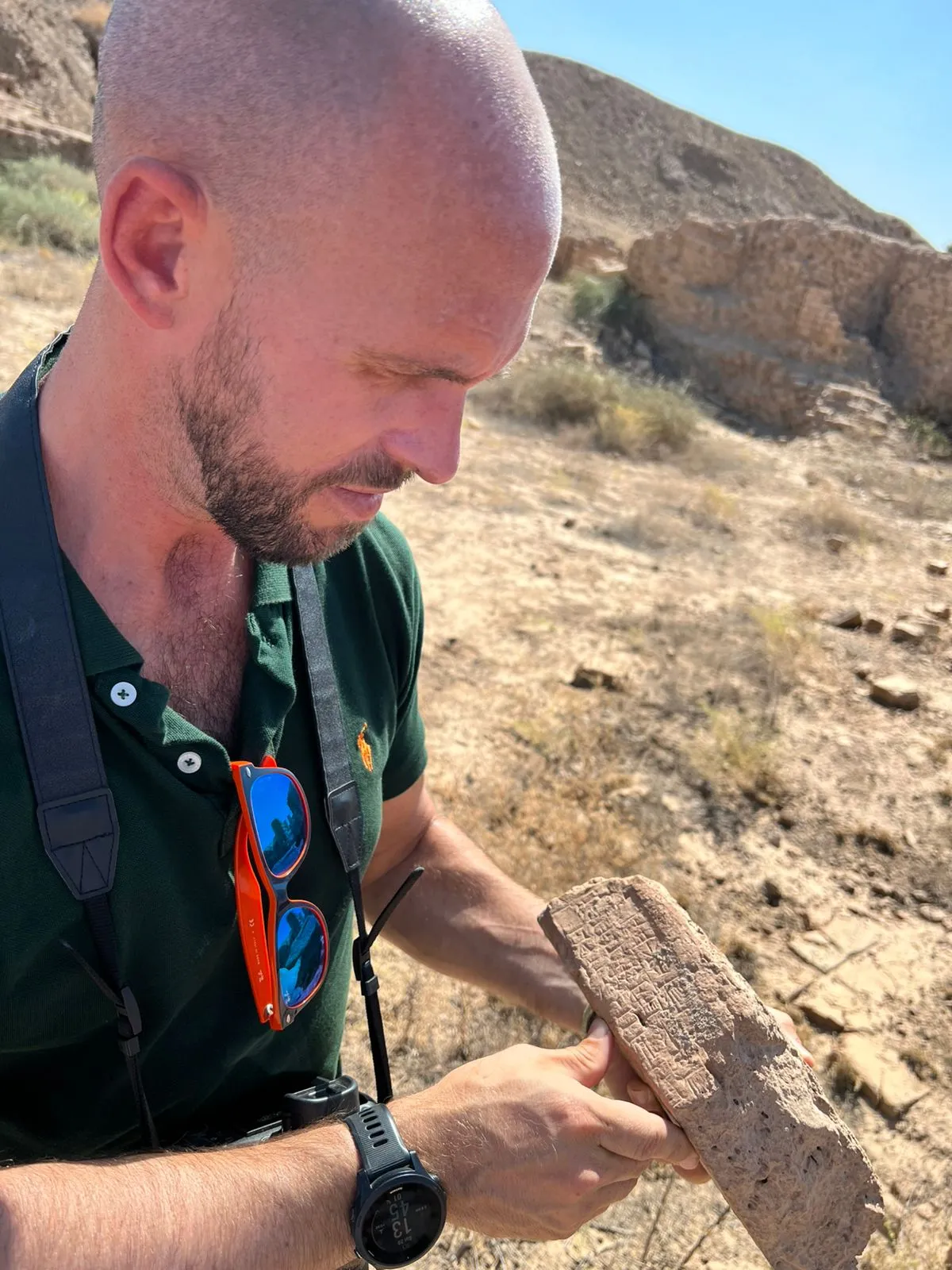
Of historical sites in Babylon are under active monitoring and preservation programmes.
In partnership with UNESCO and global archaeological institutes, Iraq is leading a transformative preservation initiative. Our goal is not just to maintain stones, but to restore the cultural soul of the region through advanced laser scanning and community-led restoration.
Creating millimetre-accurate digital twins of vulnerable ruins.
Sustainable visitor pathways that minimise environmental impact.
Explore the cradle of civilization with curated heritage trails designed for the modern explorer. Experience history where it happened.