Walking in Kurdistan
Rawanduz, the gorges above it and the high roads beyond are at their best before the heat.
Snow on the Zagros, desert in the west, marshes in the south-east: one country, several climates, and two seasons that suit all of them at once.
The short answer is spring or autumn. Between March and May and again in October and November the heat is manageable, the light is good and a full day on an unshaded archaeological site is a pleasure rather than an ordeal.
The rest of the year is not closed — it just asks you to plan around it. The north stays cool through summer; the south is at its most atmospheric in winter.
The best window of the year. Winter has let go and the summer has not arrived, and the north is transformed — the valleys of Kurdistan turn green, the wildflowers come out across the hillsides, and Newroz fills the third week of March with fires and dancing.
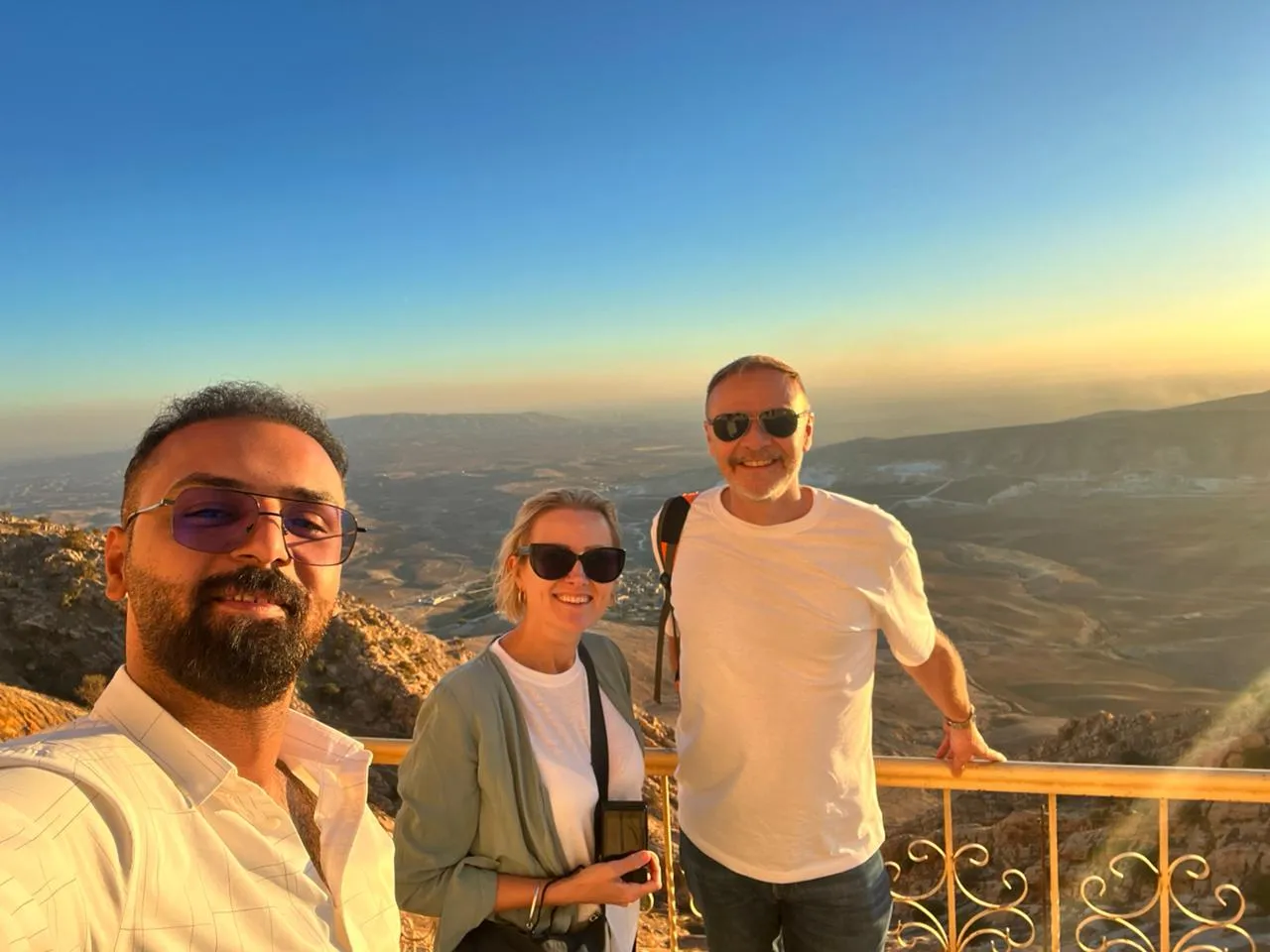
Rawanduz, the gorges above it and the high roads beyond are at their best before the heat.
The processional way and the walls, without the summer glare that shortens every visit.
The Kurdish new year on 21 March — bonfires on the hillsides, and the whole region out in colour.
The heat breaks, the air turns clear and the evenings get crisp. This is the season for the centre and the south: full days at Ur, Uruk and Babylon, and the light on the mudbrick an hour before sunset that every photographer comes for.
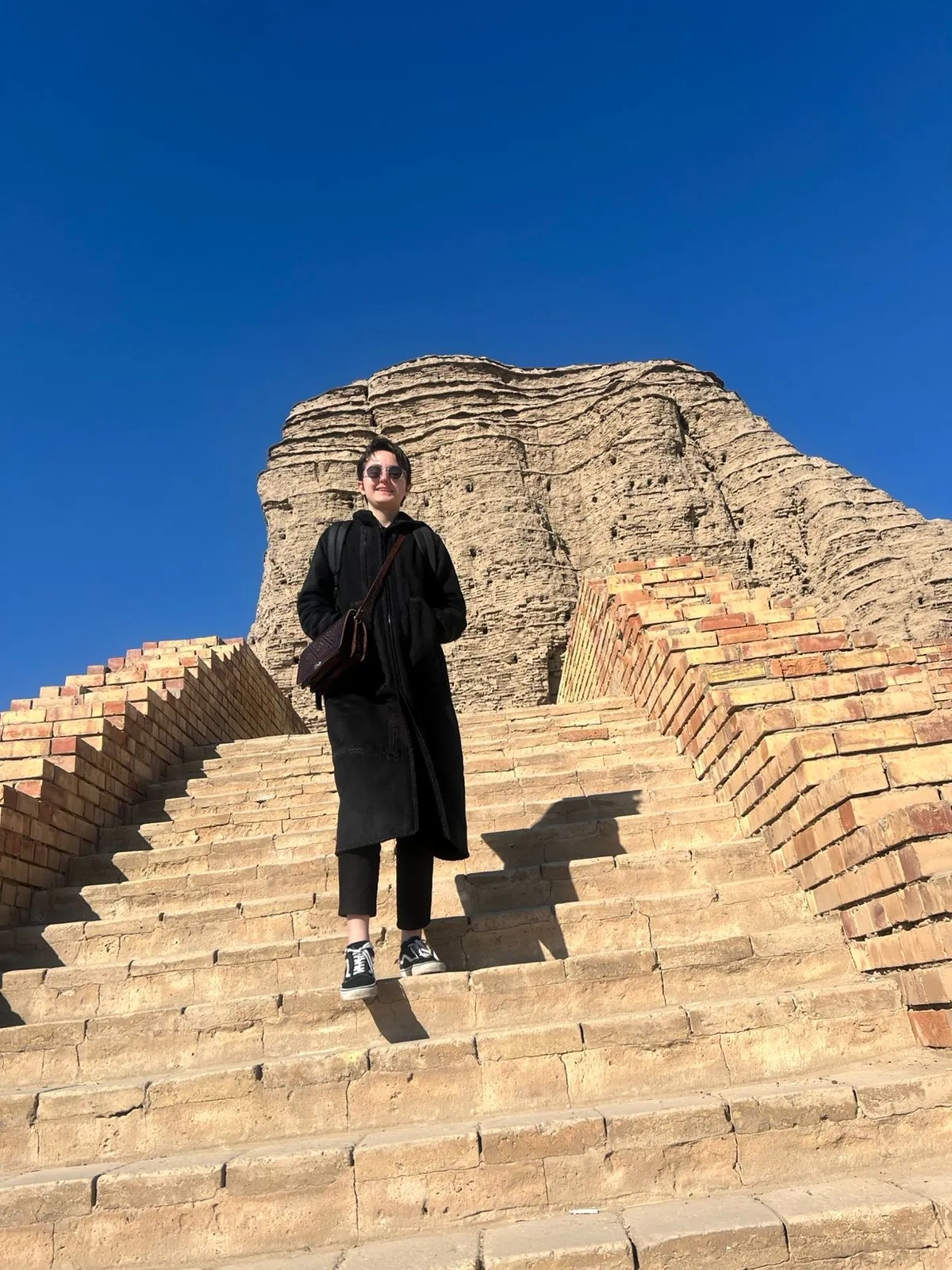
Ur and its neighbours, comfortably, in daylight that lasts long enough to see them properly.
The groves of the south come in through autumn, and every market smells of it.
Water levels recover after the summer draw-down, and the migratory birds start to arrive.
Central and southern Iraq regularly passes 45°C, and touring in it is genuinely punishing. Not impossible — just a different trip.
Cool in the south, properly cold in the north, with snow on the mountains and rain that can turn unpaved site tracks to mud.
Entry rules, fees, opening hours and road conditions all change. Treat this as a starting point and confirm the detail with your nearest Iraqi embassy or your operator before you book.
Next stepTransportationTell us your dates and interests, and the travel desk will come back with a full itinerary — guides, permits and everything in between, settled together on WhatsApp.